Technology
Nano Banana 2 Lite: Google's Fastest Image Model on Kubeez
Nano Banana 2 Lite is Google's fastest, most cost-efficient Nano Banana image model, generating images in about 4 seconds. Now live on Kubeez for 8 credits.
· Kubeez
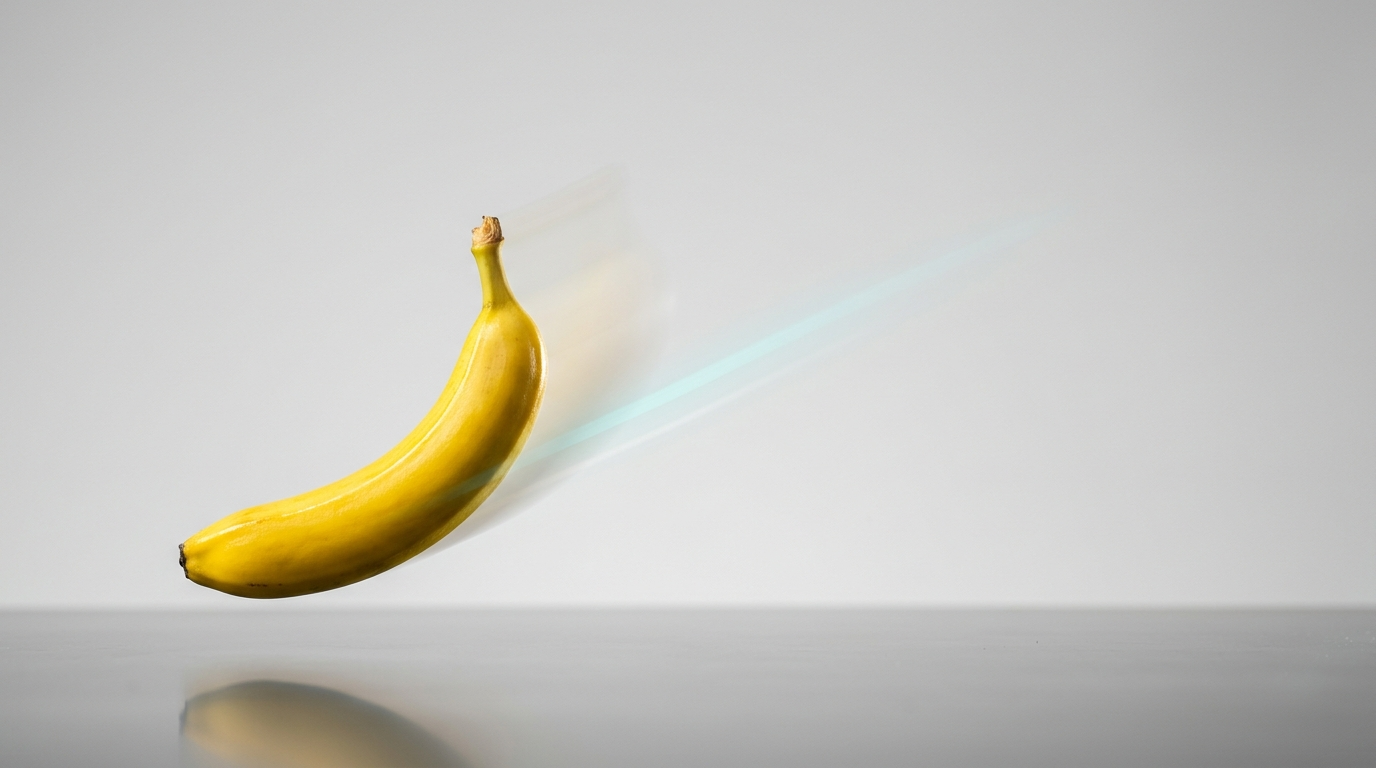
Nano Banana 2 Lite is Google's newest image model, and it is built around one idea: speed. Google launched it on June 30, 2026 as the fastest, most cost-efficient member of the Nano Banana family, generating a text-to-image result in about 4 seconds. It is live on Kubeez right now at 8 credits per image, running on the same wallet, the same Media Studio, and the same API and MCP automation as every other model.
If your work involves generating a lot of images fast, drafting concepts, prototyping interfaces, or exploring dozens of variations before you commit, Nano Banana 2 Lite is the model you have been waiting for. Here is what it is, why 4-second generation changes how you work, and exactly where it fits alongside Nano Banana 2 and Nano Banana Pro.
What is Nano Banana 2 Lite?
Nano Banana 2 Lite is Google's new entry model for image generation, part of the Gemini image family. Google's own model id for it is gemini-3.1-flash-lite-image (also referred to as Gemini 3.1 Flash-Lite for images). On Kubeez it is simply nano-banana-2-lite.
Google positions it as the fastest and most cost-efficient model in the Nano Banana family, purpose-built for high-throughput and high-volume workflows: rapid ideation, interactive prototyping, visual drafting, and budget-conscious deployments. It replaces the original Nano Banana (gemini-2.5-flash-image) as Google's recommended starting point for image work.
The headline number is speed. Google reports roughly 4 seconds per text-to-image result, which is about 5x faster than standard Nano Banana 2 on the same prompt (independent testing put standard Nano Banana 2 near 20 seconds). That difference is not a rounding error. It is the gap between "generate and wait" and "generate and keep moving."
Why 4-second generation changes the workflow
When a single image takes 20 or 30 seconds, you plan around the wait. You batch prompts, walk away, and come back. When an image takes 4 seconds, the model becomes interactive. You can sit with it, react to what you see, and refine in real time. That shift unlocks a few things:
- Rapid ideation. Explore 10 directions in the time it used to take to explore 2. You see more of the possibility space before you pick a lane.
- Interactive prototyping. Drop generated placeholders into a mockup, swap them instantly, and iterate on the layout instead of the loading spinner.
- Visual drafting. Rough out a storyboard, a moodboard, or a set of thumbnails in one sitting, then promote the winners to a higher-tier model for the finish.
- High-volume batches. Product catalogs, variant sets, and programmatic image pipelines get cheaper and faster at the same time. For a full walkthrough, see our guide on high-volume batch image generation with Nano Banana 2 Lite.
Speed compounds. A tighter feedback loop does not just save seconds per image, it changes how many ideas you are willing to test, which is where better output actually comes from.
The honest trade-offs: speed, cost, and quality
Google did not achieve this speed by throwing quality away, but a lite model is still a lite model, and being clear about that is the point. Here is the honest picture.
What Nano Banana 2 Lite keeps: Google says the model retains reliable prompt adherence, strong character consistency, and legible in-image text despite the focus on speed. In practice that means it is a genuinely useful draft and volume model, not a toy.
What it is not: Nano Banana 2 Lite is the speed and volume floor of the family, not a replacement for the finished-still quality of Nano Banana 2 or the dense typography and print-grade accuracy of Nano Banana Pro. If a single image is going on a billboard, a magazine cover, or a brand-critical landing page, you want the tier built for that job.
Think of Lite as the model you reach for when you need many images quickly and cheaply, and the heavier models as the ones you reach for when a specific image has to be perfect.
Where Nano Banana 2 Lite fits in the family
All three Nano Banana models are made by Google, run on Kubeez under one model id each, and share the same credit wallet. Here is how they compare:
| Model | Google id | Best for | Kubeez credits |
|---|---|---|---|
| Nano Banana 2 Lite | gemini-3.1-flash-lite-image | Rapid drafts, ideation, prototyping, high volume, budget work | 8 per image |
| Nano Banana 2 | Gemini 3.1 Flash Image | Best all-round balance of quality, cost, and latency; finished stills | 11 (1K) / 15 (2K) / 25 (4K) |
| Nano Banana Pro | Gemini 3 Pro Image | Complex professional work, intricate typography, multi-element layouts, print | 24 (1K/2K) / 30 (4K) |
Nano Banana 2 remains the generalist and the best value for a polished single image: strong character consistency, Google Search grounding always on, resolutions up to 4K, and image editing. Nano Banana Pro is the premium tier for the jobs where accuracy has to beat speed. For a side-by-side breakdown of all three, read our Nano Banana 2 vs Pro vs Lite comparison.
The best jobs for Nano Banana 2 Lite
Reach for Nano Banana 2 Lite when volume, speed, or budget is the priority:
- Concept exploration and moodboards where you want breadth fast.
- Interactive prototyping and visual drafting inside a design or product workflow.
- High-volume image pipelines such as product variants, thumbnails, and programmatic batches.
- Budget-conscious deployments where 8 credits per image keeps a large run affordable.
- Draft-then-finish workflows, where Lite roughs out the options and a heavier model finishes the winner.
Skip Nano Banana 2 Lite when a single image has to be perfect. For a finished hero still, use Nano Banana 2. For dense text-in-image, intricate typography, or print-quality brand assets, use Nano Banana Pro. Picking the right tier for the job is the whole point of having three.
How much does Nano Banana 2 Lite cost?
On Kubeez, Nano Banana 2 Lite is 8 credits per image, drawn from the same single credit wallet you use for every other model. There is no separate plan, no separate billing, and no juggling accounts across tools. (Note that Kubeez has no refunds, so it is worth previewing your prompt on a draft before a large run.)
For context, Google's launch API list price for the model is $0.034 per 1K image. That is Google's own API price for developers, not what you pay on Kubeez. On Kubeez you pay in credits, and the number that matters to you is 8 per image. Always check live pricing in Kubeez for the current credit cost, since credit rates can change.
Run Nano Banana 2 Lite on Kubeez today
Nano Banana 2 Lite is live and generatable now under the model id nano-banana-2-lite. It works identically across every surface:
- Media Studio (web UI): pick Nano Banana 2 Lite in the Media Studio, write your prompt, and generate.
- Media API: call it programmatically for high-volume and automated pipelines. See the available models reference for ids and parameters.
- MCP and agent automation: drive it from your agent with the same model id, so a batch job and a one-off draft use the exact same call.
One wallet, one model id, three ways to run it. That is the whole appeal: the fastest, most cost-efficient Nano Banana model, wired into the same platform as Nano Banana 2, Nano Banana Pro, and everything else you already use on Kubeez.
Want the deeper comparison first? Read Nano Banana 2 vs Pro vs Lite, or jump straight into AI image generation and try Lite on your next batch.
Frequently asked questions
What is Nano Banana 2 Lite?
Nano Banana 2 Lite is Google's fastest and most cost-efficient image model in the Nano Banana family, launched on June 30, 2026. Its Google model id is gemini-3.1-flash-lite-image, and it is built for rapid ideation, prototyping, and high-volume image generation. On Kubeez it runs as nano-banana-2-lite for 8 credits per image.
How fast is Nano Banana 2 Lite?
Google reports about 4 seconds per text-to-image result, roughly 5x faster than standard Nano Banana 2 (which independent testing measured near 20 seconds on the same prompt). That speed is what makes it suitable for interactive, high-throughput work.
How much does Nano Banana 2 Lite cost on Kubeez?
It costs 8 credits per image on Kubeez, drawn from your single credit wallet. Google's separate launch API price of $0.034 per 1K image is a developer API rate from Google, not the Kubeez price. Check live pricing in Kubeez for the current credit cost.
Is Nano Banana 2 Lite better than Nano Banana 2 or Nano Banana Pro?
It is not better, it is different. Nano Banana 2 Lite wins on speed and cost, making it ideal for drafts and volume. Nano Banana 2 is the best all-round balance for a finished single image, and Nano Banana Pro is the premium tier for complex typography and print-grade work. Choose the tier that matches the job.
Who makes Nano Banana 2 Lite?
Google makes Nano Banana 2 Lite, along with Nano Banana 2 and Nano Banana Pro. All three are part of Google's Gemini image family and are available on Kubeez today.